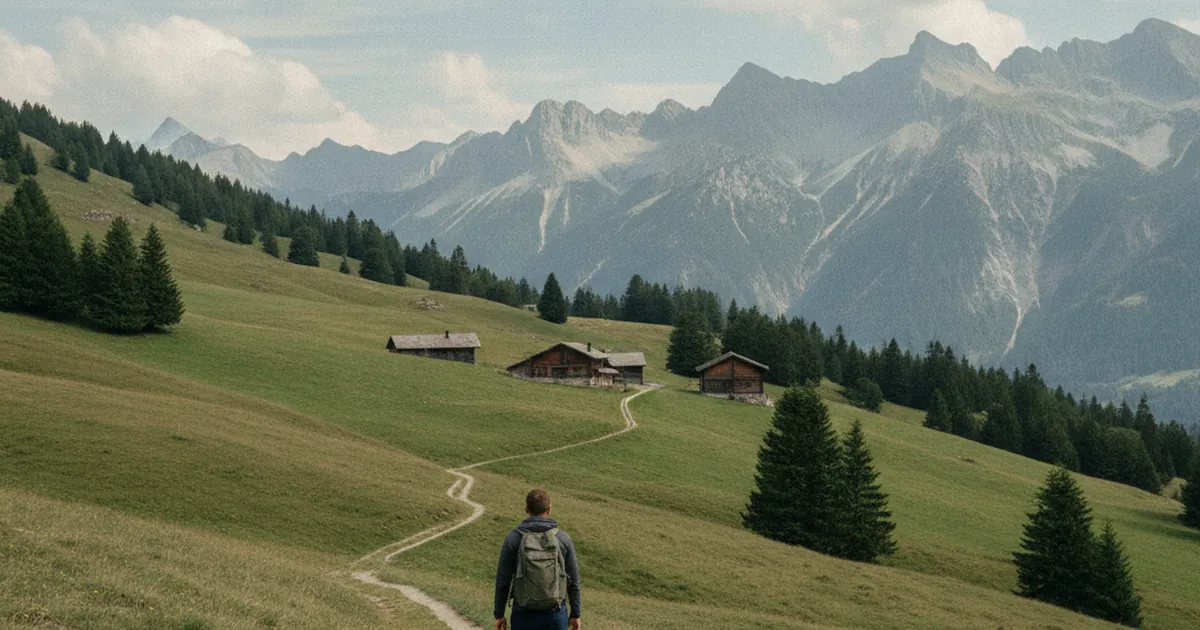
When people talk about alpine pastures in Haute-Savoie, the attention almost always goes to the Aravis, with its painted chalets and reblochon cheese in the shadow of Mont Blanc. The Chablais stays out of the spotlight. And that is exactly why its alpages deserve a closer look: fewer people, preserved landscapes, and a pastoral tradition that is still holding its ground. If you hike in Haute-Savoie and have not yet explored the pastoral side of the Chablais massif, you are missing something real.
A pre-alpine massif with generous pastures
The Chablais stretches in an arc between Lake Geneva and the Giffre valley, with ridges reaching between 1,800 and 2,100 metres depending on the sector. This is not the altitude of the high Alps, but that is precisely what makes these pastures so accessible: the alpages spread across gently sloping, open terrain, exposed to the winds off the lake. Herds come up each summer from June to September, following a calendar dictated by snowmelt and the year's weather patterns.
Unlike the Aravis pastures where tourism has largely taken over, the Chablais still concentrates genuinely active farming operations. You will encounter cattle, sheep and sometimes goats, with shepherds living on site throughout the summer. These high pastures run on an age-old logic passed down from one generation to the next, and local economic networks remain very much alive.
A pastoral heritage that is still alive
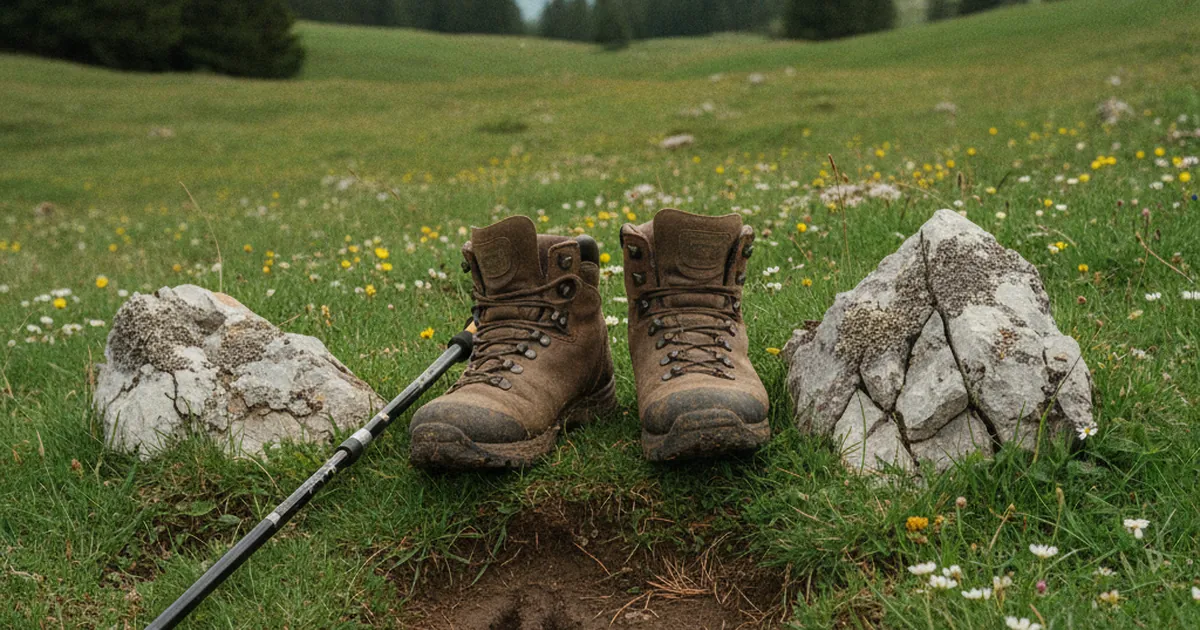
What strikes you when walking through the Chablais alpages is how well-preserved the old buildings are. The alpage chalets, built from local stone with slate or metal roofing, have often kept their original form. Some are still used for on-site cheese production: fermier abondance, tomme de Savoie. You can sometimes buy directly from the chalet, depending on the alpage and whether the shepherds are available during the day.
The area around Morzine and La Côte-d'Arbroz concentrates some of the most representative of these pastures. The paths between chalets are waymarked and maintained by local councils and pastoral groups. You are a long way from the density of hikers pressing onto the department's most well-known trails.
Hiking routes into these spaces
Going on foot remains the best way to discover these pastures in their real context. Several routes cross multiple levels of alpage, from the forested lower slopes up to the open ridges.
- The Tour des Suets via Les Allamands is a moderate loop that crosses grazing areas typical of the Chablais. The terrain varies between forest and alpine meadow, with clear views toward Lake Geneva on the way up.
- The Col de Coux via the Mines d'Or combines industrial history with alpage crossings. You climb through grassy slopes before reaching a pass that marks the Swiss border. The pastures on this route are among the wildest in the area.
Both routes let you see the alpages during their most active period, with herds present and chalets in operation. Going on a weekday avoids the flow of weekend hikers, which can be noticeable in the middle of August.
What you will observe on the ground
Wildlife is well represented in the Chablais alpages. Chamois are common, especially in the late afternoon around rocky areas and grassy couloirs. Foxes often patrol the edges of the pastures in the morning. Higher up, with some patience, a golden eagle may sweep the ridges early in the day, recognisable by its impressive wingspan and characteristic gliding flight.
The flora is particularly rich at the boundary between grazed and ungrazed areas. Gentians and arnica form colourful carpets in July and August. On the limestone slopes, you will also find some fairly unusual wild orchids, as well as asters and cinquefoils that persist into September.
The views from the ridges above the alpages open in two main directions: Lake Geneva on one side, sometimes with the Dents du Midi in the background across the Swiss border, and the neighbouring Giffre and Mont Blanc massifs on the other. This dual orientation gives the Chablais a visual identity of its own, quite distinct from the classic Haute-Savoie panoramas.
When to go
The ideal window is July and August, when herds are up and chalets are open. In early September most alpages are still active, but the descent of the flocks begins as temperatures drop and the season winds down. Avoid wet weather days: the grassy slopes of the Chablais can be very slippery in damp conditions, and winds off Lake Geneva pick up quickly on the exposed ridges.
Outside the summer season, the pastures remain accessible for snowshoeing in winter and for walking from snowmelt onward, but you will find neither herds nor working chalets. They become silent, empty spaces, very different from what they are at the height of summer.
The Chablais alpages clearly deserve a place on your list if you hike in Haute-Savoie. Less publicised than other destinations, they offer direct contact with a form of pastoral mountain life that is becoming rare. You do not need to save them for a special occasion: they are there every summer, accessible, alive, and often deserted in the morning. That alone makes them worth the trip.