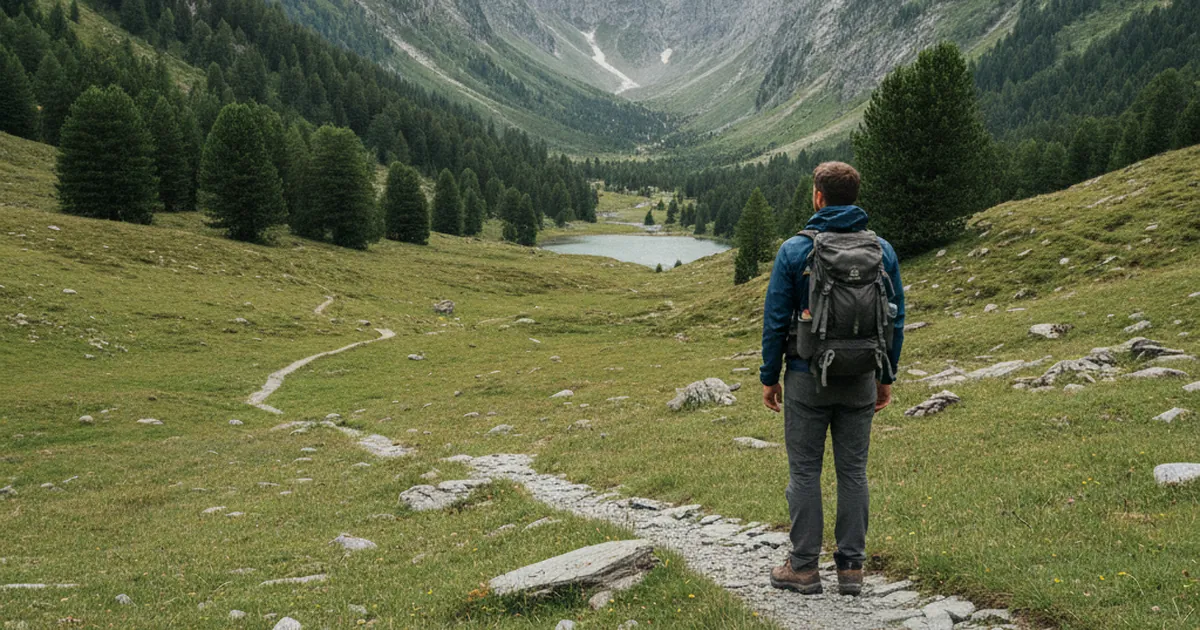
What you pack before heading out on a mountain hike matters just as much as the gear you wear. Shop-bought energy bars are convenient, but they're often loaded with glucose syrup, artificial flavourings, and preservatives. Making your own is simple, cheaper, and puts you in full control of what goes into your body. Here's how to get started.
Why skip commercial bars
Turn over a wrapper and you'll see: glucose-fructose syrup, emulsifiers, artificial flavours. These ingredients exist to extend shelf life and guarantee a consistent taste, not to fuel your legs on a mountain trail. What you actually need is steady energy over several hours, quality calories, and food that sits easily on the stomach during effort.
The problem with overly sweet bars is the blood sugar spike, followed by an energy crash. That's the last thing you want mid-climb on the trails of Haute-Savoie. A well-balanced homemade bar, built around complex carbs and healthy fats, delivers more consistent output throughout the day.
Core ingredients
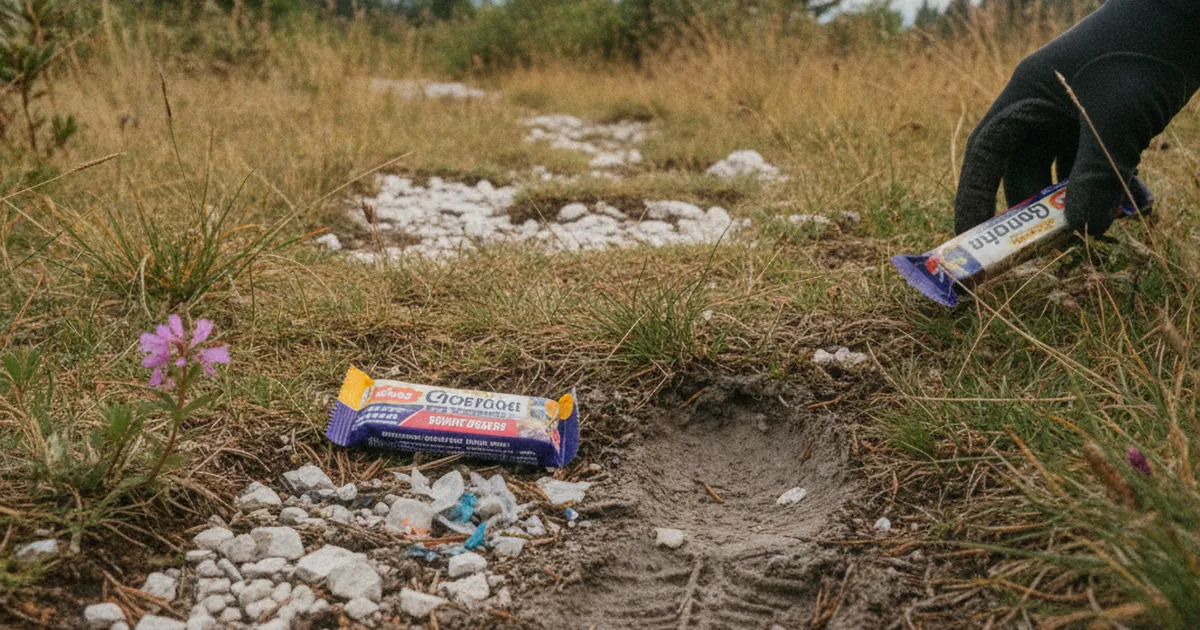
Four ingredient families cover 90 % of homemade bar recipes:
- Rolled oats: the backbone of almost every recipe. Moderate glycaemic index, fibre, and inexpensive.
- Nuts: almonds, walnuts, hazelnuts, cashews. They add fats, protein, and caloric density. Roughly chop them to keep some texture.
- Binder: honey, maple syrup, almond butter, or hazelnut paste. Holds the bar together and adds natural sweetness without industrial syrup.
- Extras: chia seeds, raisins, dried apricots, dark chocolate, shredded coconut, pumpkin seeds. This is where you personalise the recipe to your taste and the demands of the outing.
A reasonable target for a hiking bar: around 40 % carbs, 35 % fat, 25 % protein. You don't need scales: a handful of this, a handful of that works perfectly well in practice.
Three tried-and-tested recipes
Classic oat, honey and almond bar
Mix 200 g rolled oats, 100 g roughly chopped almonds, 80 g raisins, 3 tablespoons of honey, and 2 tablespoons of almond butter. Press the mixture firmly into a lined baking dish, refrigerate for 2 hours, then cut into bars. They keep for 5 days at room temperature or 2 weeks in the fridge.
Dried fruit and dark chocolate bar
Blend 150 g pitted dates with 100 g walnuts and 50 g dark chocolate (at least 70 % cocoa). Shape into bars by hand and roll in cocoa nibs or shredded coconut. No baking, no extra binder needed. These work well on technical outings where rest stops are short.
Savoury bar for long efforts
For days with significant elevation gain, a savoury option prevents the afternoon sugar fatigue. Combine 150 g rolled oats, 80 g grated parmesan, 50 g pumpkin seeds, 2 tablespoons of olive oil, and a pinch of salt. Bake for 20 minutes at 160°C. The result is genuinely surprising and sustains effort well over several hours.
Wrapping and carrying
Packaging is part of the recipe. Wrap each bar individually in foil or beeswax wrap. Foil handles heat better; beeswax is the greener option. Avoid soft plastic wrap: in summer heat, bars stick to it and you waste precious time peeling them off at the summit.
Store bars in a side pocket of your pack, not buried at the bottom. On the trail, you should be able to grab a snack without stopping and unpacking everything.
For longer days on the paths of the Vallée du Giffre or heading towards the peaks of the Pays du Mont-Blanc, plan one bar per hour of actual walking, plus one spare. At altitude, appetite can vanish quickly: small, regular amounts beat one large meal taken all at once.
Match the bar to the outing
A short family walk and a full mountain day don't call for the same provisions. For a moderate outing like Les Esserts depuis Morillon, a classic oat-and-honey bar is plenty. For a longer effort like Chartemerle et Tour des Suets above Samoëns, mix it up: two carb-heavy bars for the ascent, a savoury bar at the midday stop, and dried fruit to carry you through the afternoon.
Children tend to have a strong preference for sweet flavours. Pack a chocolate-hazelnut option in their bag so you're not sharing your own reserves halfway through the hike.
Common mistakes to avoid
- Too much fibre on departure morning: large amounts of chia seeds can cause digestive discomfort under effort. Use them in moderation.
- Too much fat in summer heat: chocolate and nut butters melt. Adapt recipes to the expected temperature and how exposed the route is.
- Eating too late: a bar eaten 20 minutes before you set off does far more for you than one eaten at a rest stop when your legs are already heavy.
Making your own bars is also a good pre-hike ritual. The evening before, you prep your pack and your food at the same time, you think through the elevation profile, you adjust quantities to the day ahead. It's a concrete way of approaching the mountain with care, without unnecessary complication. And the taste is genuinely in a different league from anything that comes wrapped in foil off a shelf.