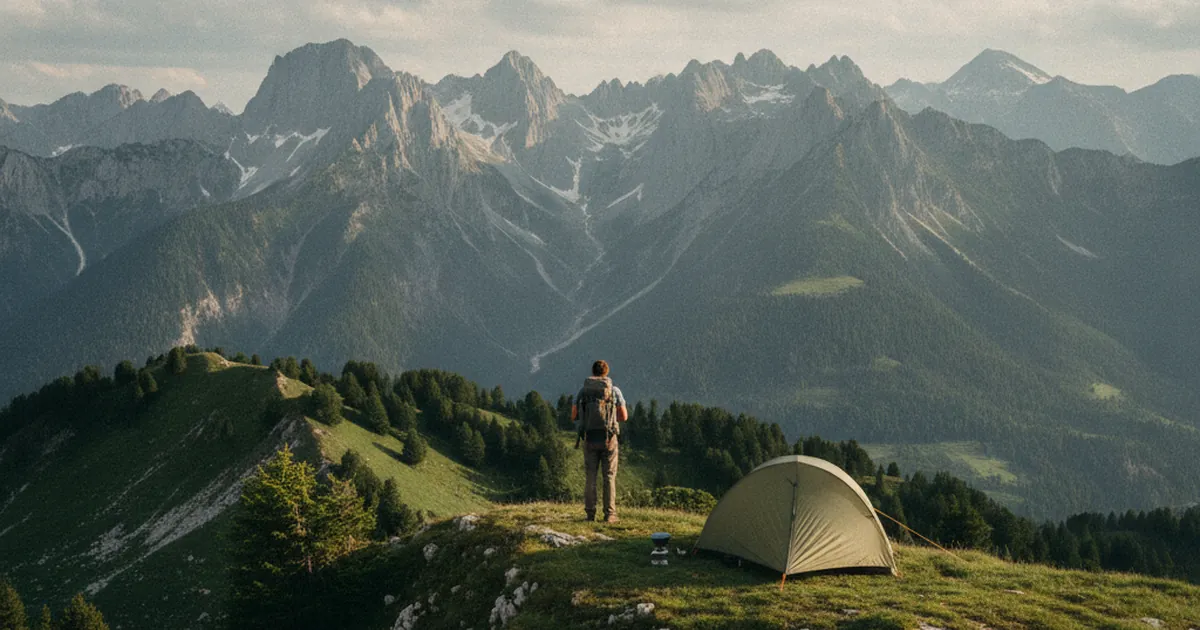
Sleeping under the stars in the Alps, waking up at sunrise surrounded by high pastures: it's an experience you can have in Haute-Savoie without breaking any law. One-night bivouacking is generally tolerated in most areas, but it comes with clear rules. Ignore them and you risk a fine, or worse, damage to fragile mountain ecosystems. Here's what you need to know before heading out with your sleeping bag.
Bivouac versus wild camping: what's the difference?
French law doesn't explicitly define bivouacking, but the practice is broadly tolerated as long as it stays discreet and temporary. The key distinction from wild camping is duration and setup: you arrive late in the day, spend a single night, and leave in the morning without a trace. No tent pitched for two days, no campfire, nothing visible during daylight hours.
Wild camping, on the other hand, can be explicitly banned by local or prefectural decree. Several municipalities in Haute-Savoie have passed such orders, especially in heavily frequented areas. Checking local rules before you go is always the right move.
Where bivouacking is prohibited or strictly regulated
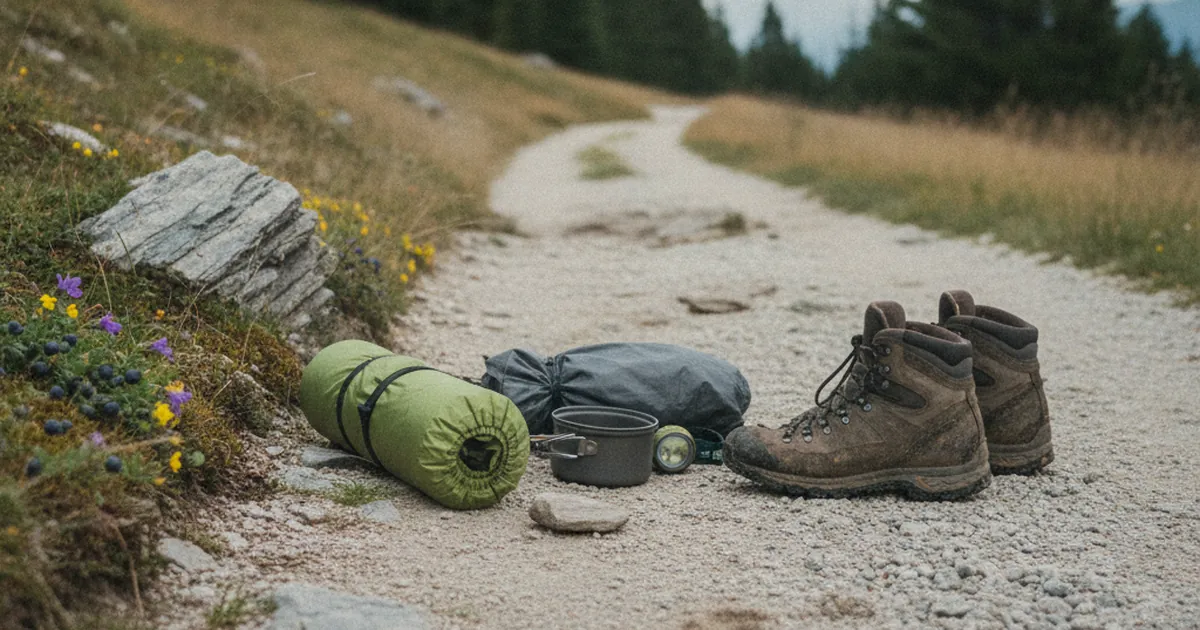
Several areas of Haute-Savoie have specific rules that restrict or ban overnight bivouacking:
- National and regional nature reserves: bivouacking is often prohibited or limited to designated zones. The Sixt-Passy national nature reserve is one of the most tightly regulated areas in the department.
- Natura 2000 sites and biotope protection orders: local management decisions may restrict bivouacking in these ecologically sensitive zones.
- Near staffed mountain huts: hut wardens often ask visitors not to camp right outside the building, for safety and land management reasons.
- Private land: without the landowner's permission, pitching your tent on private property is illegal, even at altitude.
In the Chablais area, sectors around Montriond may have specific local rules. Check with the ONF (National Forest Office) or the relevant town halls before your trip.
The ground rules that apply everywhere
Whether you're in a fully open area or a tolerated zone, a few principles always apply:
- Arrive after 7pm and leave before 9am. This window is the one most often cited by land managers as the acceptable limit for a genuine bivouac.
- No fires. Mountain fires are dangerous and often prohibited even outside protected areas, particularly during summer dry spells.
- Pack out everything. No wrappers, no food scraps, no packaging left behind.
- Use dry toilets or bury organic waste at least 200m from any water source. Stream and spring contamination at altitude is a real problem.
- Stay at least 200m from lakes, streams, and springs. Riparian zones are fragile environments.
- Avoid active grazing areas and electric fences: livestock must not be disturbed.
Picking a good spot
A good bivouac site takes some planning. Look for flat, well-drained ground so you're not waking up in a puddle if a storm rolls through during the night. Avoid bowls and valley floors where cold air pools after sunset. A slightly elevated alpage plateau, sheltered from the dominant wind, is usually ideal.
Steer clear of rockfall zones and areas below seracs. Even in August, nights above 2,000m can drop to near freezing: a sleeping bag rated for alpine conditions isn't optional.
For a first bivouac experience, the high pastures above Bellevaux and several sectors in the Pays du Mont-Blanc offer open alpage terrain well suited to overnight stays outside protected zones. Routes like the Hauts-Forts loop or Lac de Vallon from Bellevaux are good entry points into bivouac-friendly territory.
Minimum gear
A bivouac doesn't have to mean a full tent setup. A lightweight tarp and a sleeping bag rated for alpine temperatures can be enough. But in Haute-Savoie, weather shifts fast. Rain protection is non-negotiable, even when the sky looks clear at departure.
Always check the local mountain weather forecast before spending a night outdoors. Summer thunderstorms are common and can develop overnight with little warning. If there's genuine doubt about the forecast, wait for another night: a bivouac should be a pleasure, not a gamble.
Bivouacking in Haute-Savoie is accessible, legal in most areas, and genuinely rewarding. All it takes is some preparation, the right sector choice, and respect for the mountain environment. To find the trails that take you there, explore all the hiking routes across Haute-Savoie on Le Yaute Mag'.