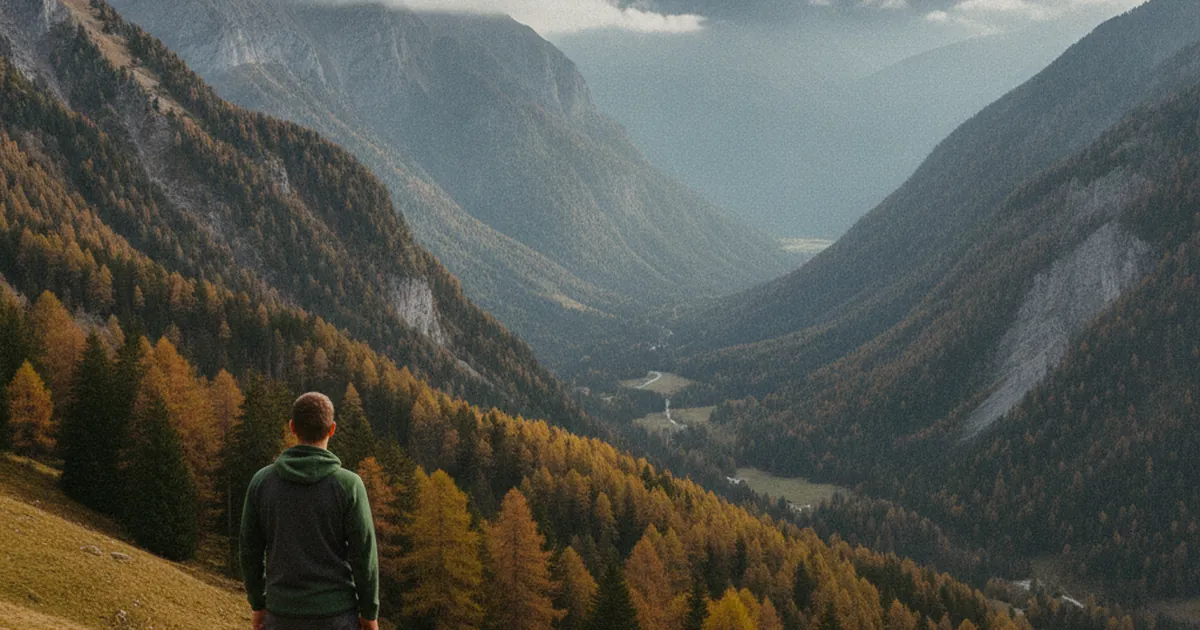
Mid-September is just around the corner, and with it comes one of the most striking natural events in the mountain calendar: the deer rut. That deep, hoarse call echoing through autumn forests is the kind of sound that stays with you long after you have heard it. In Haute-Savoie, red deer populations give hikers a real chance of experiencing it, if you know when and where to go.
What is the rut?
The rut is the breeding season of the red deer stag. For a few weeks each autumn, adult males call repeatedly to signal their presence, attract hinds, and warn off rival stags. The sound is unlike anything else: deep, raspy, sometimes almost melodic, it carries across hundreds of metres and bounces off valley slopes in a way that makes its source hard to pinpoint. That sense of disorientation is part of the experience.
During the rut, stags move more, eat little, and often appear at the edges of forests and clearings. It is a brief window where spotting them from a trail becomes genuinely possible.
When does it happen in Haute-Savoie?
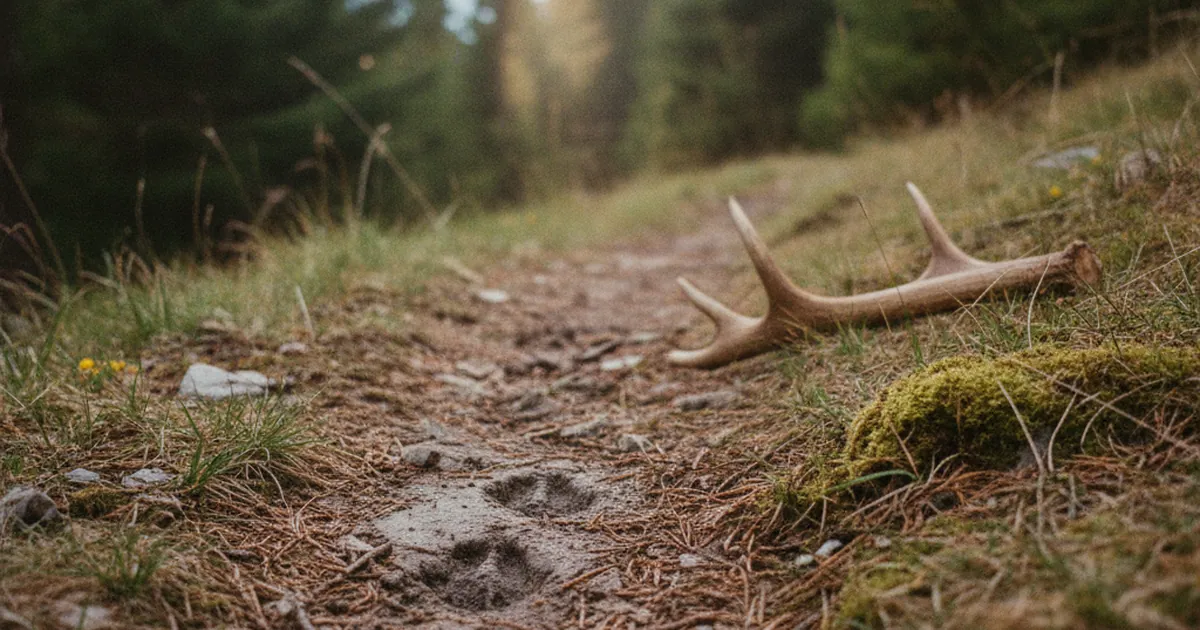
The rut generally runs from mid-September to mid-October, with the peak usually falling around the last week of September. Cooler nights following a few warm days tend to trigger the most intense calling activity.
Red deer are present across several areas where hiking in Haute-Savoie brings you into their territory. The Aravis and Bornes massif holds good populations in its mid-altitude forests, with open clearings where stags perform their seasonal rituals. The Chablais also has well-wooded slopes where deer settle in autumn, particularly in quieter side valleys that see less human traffic.
The forests around Bellevaux are worth considering for a calm, low-footfall outing. On the Giffre side, the wooded hillsides above Samoëns offer similar conditions for early-morning outings.
The best time to listen
Stags call most actively around dawn and dusk. The most intense sequences happen in the half-hour before sunrise and in the two hours that follow. In the evening, activity picks up again before sunset. During the peak of the rut, calling can continue well into the night.
In practice, that means waking up before dawn, parking in the dark, and reaching a forest edge or open viewpoint in silence. Bring a head torch, warm layers (late-September mornings in the forest are cold) and binoculars. The cold and the silence are part of the experience.
How to watch without disturbing
Red deer are highly alert. Their peripheral vision is wide, their sense of smell is acute, and they pick up even small sounds easily. Approaching carefully is both a matter of ethics and of effectiveness.
- Stay back. Do not approach closer than around 200 metres to a visible deer.
- Position yourself upwind so your scent does not travel toward the animals.
- Keep completely quiet: no talking, phone on silent, no flashlight directed at the animals.
- Stay on marked trails and avoid any local wildlife protection zones.
- Never try to imitate the stag's call to attract it. During the rut, an agitated male can charge.
The goal is not to get close. It is to listen from a sensible distance, and to make sure the wildlife is still there next year.
Two hikes worth considering
For this kind of outing, the approach matters as much as the route. You are looking for a forest edge, a viewpoint, or a forest track that opens onto wooded terrain.
Near Annecy, Le Belvédère des Gelinottes from Seynod passes through wooded sections with open aspects on the surrounding forest. Its name itself refers to local wildlife. It is a moderate loop well suited to an early-morning start.
On the Giffre side, La rando des Rutines from Samoëns is a short, easy loop through mid-slope forest. A relaxed option for a dawn outing, away from busier spots.
The rut keeps its own schedule and does not wait. Mid-September arrives, you have a few weeks, and then it is gone until next year. Hearing it once, in the half-light of an autumn morning, is an experience worth planning for. For more ideas on what to do on the trails of Haute-Savoie in autumn, explore the site.