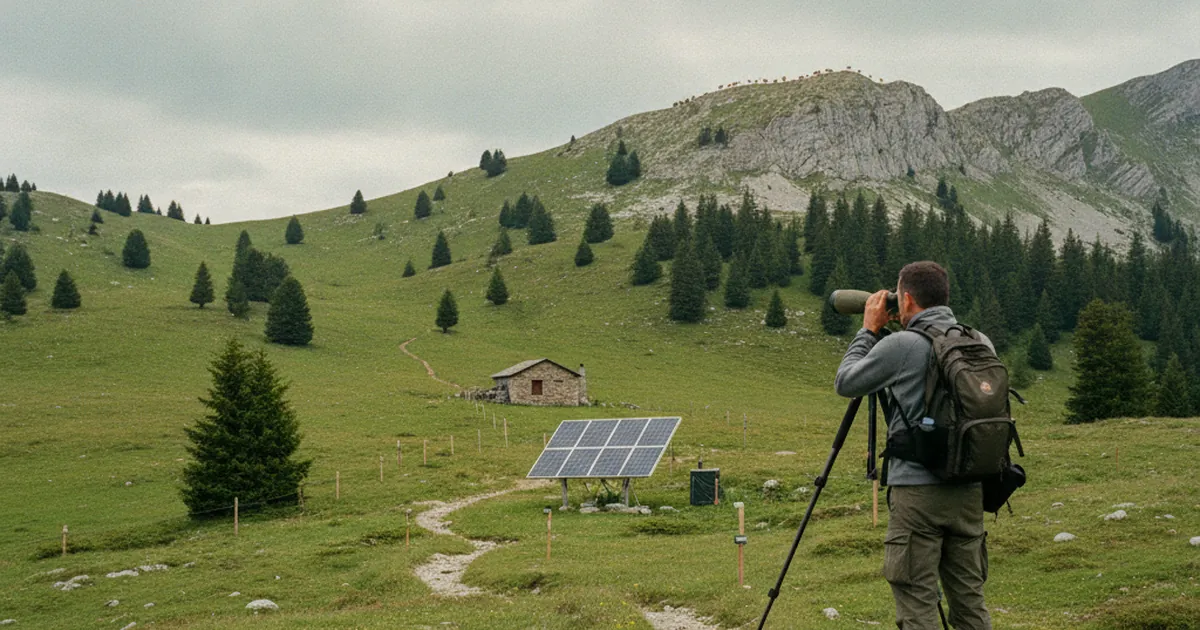
While hiking through the mountains of Haute-Savoie, you may come across someone in khaki gear, notebook in hand, quietly scanning the slopes. These are OFB agents, the field officers of France's national biodiversity agency (Office Français de la Biodiversité), who have taken over the role traditionally held by the gardes-chasse, or game wardens. Their presence in the mountains is no coincidence: Haute-Savoie shelters fragile ecosystems, diverse wildlife and tightly regulated hunting practices. Knowing what they do makes you a more informed trail user.
Sworn officers protecting biodiversity
OFB agents are sworn civil servants with both administrative and judicial police powers. They can document offenses, issue fines and, in some cases, seize equipment. Their remit covers wildlife, freshwater environments, hunting and fishing. In Haute-Savoie they patrol the ranges of the Aravis and Bornes, the wetlands of the Bauges massif and the alpine slopes of the lower valleys.
Their training is demanding, combining natural sciences, environmental law and surveillance techniques. Calling them hunting licence inspectors would miss the point: they act as permanent watchdogs over the health of natural habitats and supply important data to those managing protected areas.
What they actually do in the field
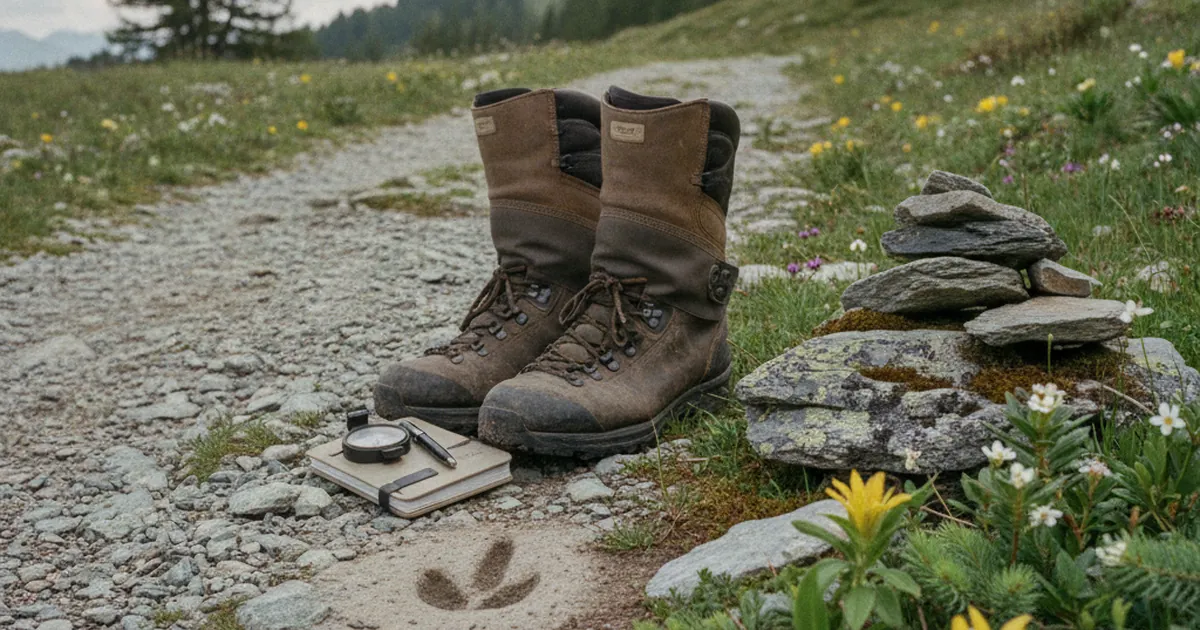
Day to day, OFB agents handle a wide range of tasks:
- Wildlife monitoring: counting chamois, ibex, black grouse and deer, tracking populations with camera traps and direct observation.
- Hunting enforcement: checking licences, harvest records and compliance with protected species rules and no-go zones.
- Anti-poaching work: locating and dismantling illegal traps, investigating unauthorized captures and suspected poisoning cases.
- Freshwater protection: water quality checks, spawning ground surveillance and pollution detection.
- Public education: briefing hikers, farmers and local authorities on current regulations.
An agent may appear at valley level or high up on a ridge. If you spot someone at dawn with binoculars on a quiet trail, that is often exactly what is happening: early morning is the best time to observe wildlife before human activity changes animal behavior.
Hunting reserves and wildlife quiet zones
Parts of Haute-Savoie carry strengthened protection status. Hunting and wildlife reserves (RCFS) are areas where hunting is banned, giving animals space to breed and develop without harvest pressure. These reserves function as source populations for surrounding hunted zones.
Tranquility zones also exist, often linked to nature reserves or regional natural parks. Restrictions there can include staying on marked trails, keeping dogs on leads and temporary closures during sensitive periods such as nesting or birthing seasons.
Around Talloires-Montmin, areas near the ridgelines border zones where alpine wildlife is closely monitored. If you plan to hike toward La Tournette from Montmin, check the trailside signs: they flag any seasonal restrictions currently in force.
What to keep in mind as a hiker
Sharing the mountains with wildlife comes down to a few straightforward habits:
- Keep your dog on a lead, especially off marked paths. A free-roaming dog can scatter a group of chamois in winter when their energy reserves are critically low, or disturb a nesting bird during breeding season.
- Do not approach nests or dens. Repeated disturbance during the breeding period can lead to abandonment.
- Respect quiet periods. From March to June, most species are reproducing. Some sectors may be temporarily closed to protect nesting animals.
- During hunting season (broadly September to February, varying by species), stick to marked trails and make your presence known. Wearing bright colors is a sensible precaution both for hunters and for wildlife that responds better to clear human signals.
In the Bauges massif, trails around Allèves pass through active hunting zones in autumn. The route to La Figlia gives fine views over Lake Annecy, but in September and October it is worth checking locally for hunting days before you set out.
How to interact with an OFB agent
If an agent stops you, stay cooperative. They may ask why you are in a restricted area, check that your dog is leashed or simply point out a rule you overlooked. This is not a confrontational situation: these officers are protecting the wildlife and landscapes you came to enjoy.
If you witness suspicious activity such as hidden traps, a deliberately injured animal or a shot fired out of season, you can contact the OFB national helpline or report directly to the local gendarmerie. Agents welcome tip-offs from regular trail users who know the terrain well.
OFB agents are part of the mountain landscape, even if you rarely see them. Their behind-the-scenes work helps maintain the ecological balance that makes the Savoie ranges worth visiting. Next time you head out on a trail in Haute-Savoie, you may scan the slopes a little differently, knowing that a watchful eye is somewhere on the hillside every day.