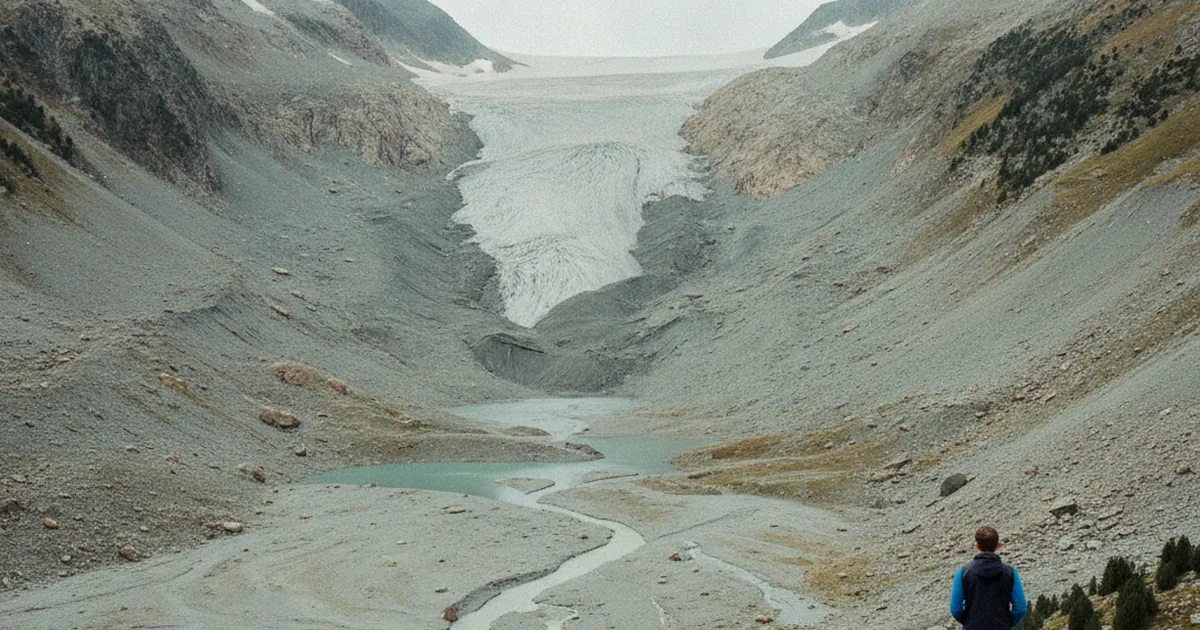
Alpine glaciers have been retreating visibly for several decades. In Haute-Savoie, the evidence is plain to anyone who has known these mountains over the years: glacier tongues have pulled back, moraines lie exposed, and landscapes are changing at a pace that surprises even regular visitors. This overview is not an alarm call but an attempt to understand what is actually happening on the ground, for all those who walk the trails of Haute-Savoie.
Which glaciers are we talking about in Haute-Savoie?
When people think of glaciers in Haute-Savoie, the Mont-Blanc massif comes to mind first. It holds the vast majority of the département's glaciated surface. The Mer de Glace is the most famous: France's largest glacier, reachable from Chamonix via the Montenvers rack railway. Argentière, Bossons, Taconnaz and others form a remarkable glacial ensemble in the Pays du Mont-Blanc area.
Less iconic but equally informative, the glaciers of the Chablais and Giffre ranges are smaller and more discreet. The Cirque de Sixt-Fer-à-Cheval, in the Vallée du Giffre, still holds snow-accumulation zones and glacial remnants that speak to a far more extensively glaciated past. This grandiose cirque, ringed by vertical limestone walls, is itself the product of ancient glacial erosion.
What field observations reveal
The retreat can be read directly in the landscape. Moraines, ridges of rock transported by the ice, now stand bare where ice covered them just a few decades ago. Near Chamonix, historical markers carved into the rock or captured in 19th-century photographs make the scale of ice loss unmistakable: the Mer de Glace snout has retreated significantly from the valley floor since the mid-19th century.
Mountain guides and glaciologists at the University of Grenoble-Alpes measure significant annual retreat, recorded each autumn. The overall glaciated surface in the Mont-Blanc massif has been declining continuously since the end of the Little Ice Age, with a clear acceleration from the 1980s onward. Field surveys also document general thinning, sometimes by several metres per decade at the glacier fronts and flanks.
Why the retreat is accelerating
Glacial retreat is not new: Alpine glaciers have advanced and retreated for millennia in response to natural climate cycles. But the current pace falls outside those historical norms. Average temperatures at altitude are rising faster than in the valleys, because local feedback mechanisms amplify the warming.
Melting snow and ice reduces albedo, the ability to reflect sunlight, which further warms the surface. Snowfall feeding glacier accumulation zones no longer compensates for losses in ablation zones. The mass balance, the difference between winter accumulation and summer melt, has been negative for many consecutive years.
Practical implications for hikers and alpinists
The retreat has direct consequences for those who venture into the high country. Routes to some summits and huts have changed: passages that once crossed ice now traverse unstable rock zones prone to frequent rockfall. Fresh moraines, formed from unconsolidated debris, are fragile and treacherous off-trail.
Pro-glacial lakes, forming at retreating glacier fronts, are multiplying across the Alps and can pose sudden drainage risks. In addition, summer snowmelt contributes significantly to stream flow: rivers like the Arve, in the Vallée de l'Arve, rely partly on glacial meltwater during warm months. In the longer term, as glaciers shrink, that hydrological support will diminish, and summer low flows will become more severe for ecosystems and agricultural uses downstream.
Hiking near glacial zones with care
Walking near glaciers or glacial fronts calls for precautions that experienced hikers on classic trails may not be familiar with:
- Stay on marked paths near moraines: loose scree and unstable debris flagged on trail descriptions are not cosmetic warnings.
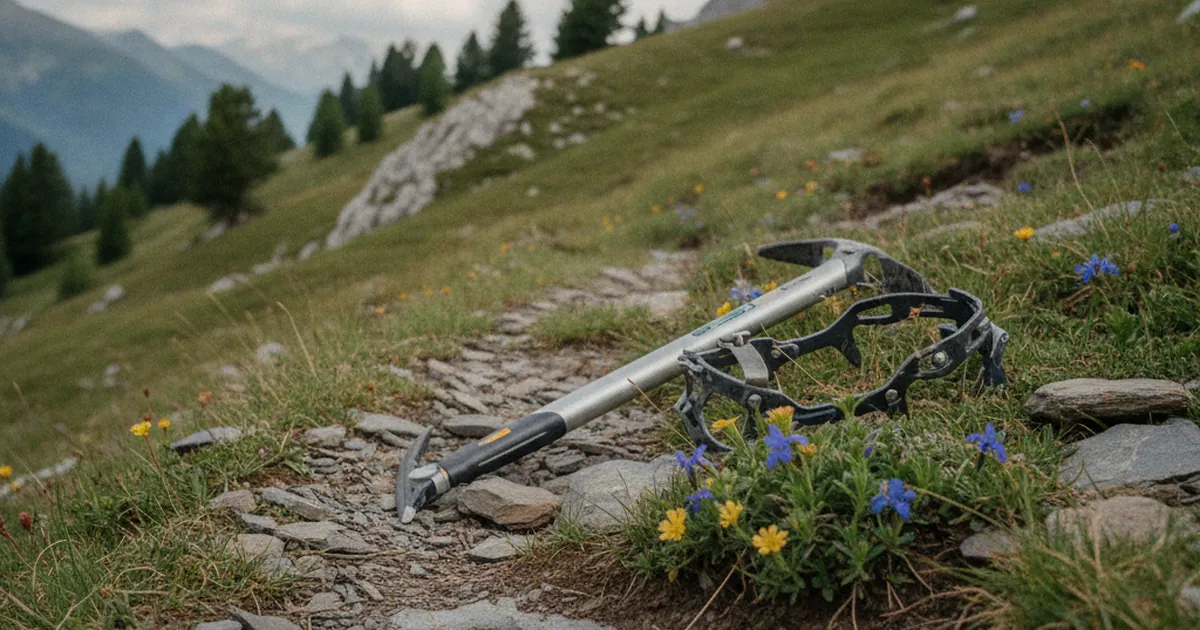
- Crevasse zones, even at the margins of a retreating glacier, can still be active. Without technical equipment and a certified mountain guide, do not set foot on the ice.
- Check local information and Bureau des Guides bulletins before any outing in glacial sectors.
- Carry extra warm layers: altitude zones near glaciers are colder, and wind can be fierce even in midsummer.
For distant views of glaciers, the Montenvers trail from Chamonix is ideal. On the Giffre side, the Pointe de Sales from Sixt-Fer-à-Cheval climbs to 2,461 m with outstanding views over the walls and glacial cirques of the area. It is a demanding hike for experienced walkers, but it offers a striking panorama of landscapes shaped by ice.
Keeping your eyes open
Glacier retreat in Haute-Savoie is no longer a forecast: it is something you can observe with your own eyes by going into the high country. Landscapes that are changing are also an invitation to know them now, to walk through them with curiosity and respect. The massif remains magnificent, the hikes outstanding, and the mountains of Savoie still have much to offer, but they are transforming. Paying attention to what is disappearing is already a form of care for the world around us.