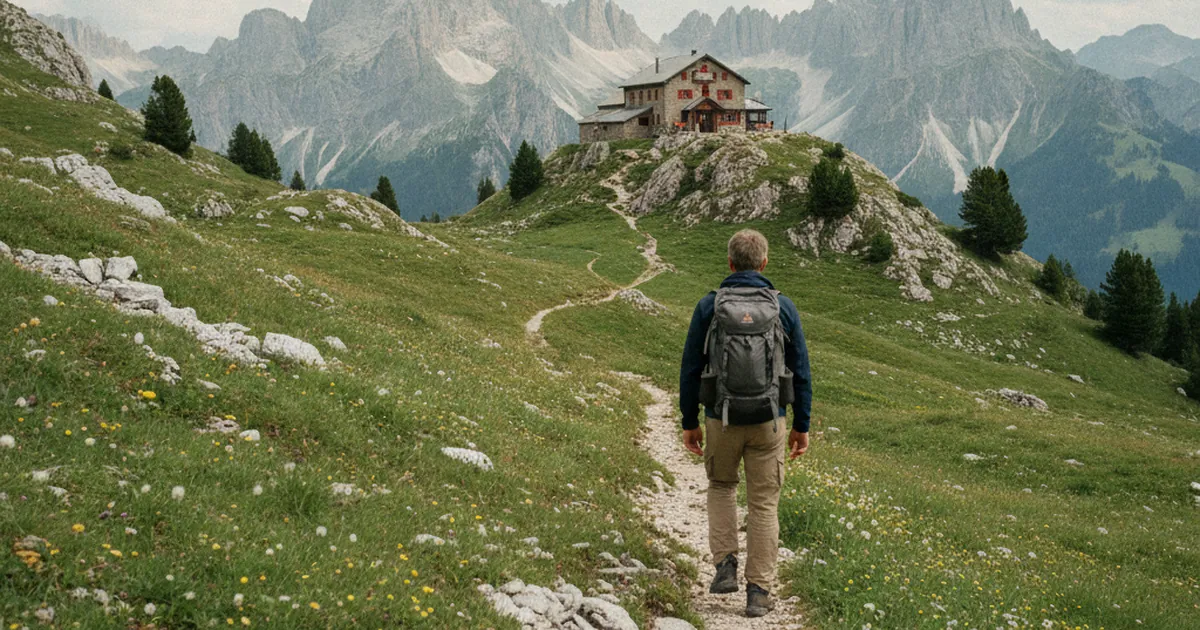
In Haute-Savoie, guarded mountain refuges are the backbone of multi-day hiking. Whether you are planning a long-distance traverse, spending a night at altitude in relative comfort, or simply treating yourself to a warm meal after a full day's walk, these huts are essential stops for anyone hiking in Haute-Savoie. But guarded refuges do not stay open year-round: they follow a defined seasonal calendar, and knowing the key dates before you book can save you a wasted journey.
Guarded vs. unguarded: a distinction that matters
A guarded refuge (refuge gardé) is staffed by one or more hut wardens throughout the season. You can sleep in a dormitory, enjoy an evening meal and breakfast, and count on having someone on hand if the weather turns or you run into difficulty on the trail.
Outside the guarded season, most refuges keep a winter room (local de bivouac or local d'hiver) unlocked. You will find a handful of basic bunks, sometimes a stove, and nothing else. No meals, no blankets, no service. It is useful for spring ski tourers or late-autumn hikers, but you need to be fully self-sufficient and prepared for all conditions.
The summer season calendar
Most guarded refuges in Haute-Savoie open between late June and early July. Closing time generally falls around mid-September, and some well-frequented or well-positioned huts stay open into early October. This window coincides with the snow-free period on access paths, rising temperatures at altitude, and peak summer foot traffic.
High-altitude refuges or those on north-facing slopes may open a little later, sometimes only in early July. Conversely, refuges close to ski resorts or at lower elevations may open as early as mid-June in favourable snow years. These variations depend largely on the previous winter's snowfall.
For the exact opening and closing dates of a specific refuge, check the hut's own website or the CAF (Club Alpin Français) Mont-Blanc Savoie section, which centralises information for most of the department's huts.
The spring season: for ski tourers and mountaineers
Some refuges also open during winter and spring, roughly from February to May, to serve ski tourers and ski mountaineers. This season is shorter and depends entirely on snowpack and access safety. It mainly covers refuges on classic ski touring routes. Between the end of the ski season and the start of summer, a fully closed gap of around a month is common: no warden, no winter room access. Bear that in mind if you are planning an outing in May or early June.
How to book a night in a refuge
Booking ahead is now essential, especially in July and August, when the most popular huts fill up weeks or even months in advance. Most offer online reservations through CAF Outdoor or their own website. A few practical tips:
- Book half-board (bed, evening meal, and breakfast) at the same time as your bunk.
- Check the cancellation policy: most refuges allow free cancellation 48 to 72 hours before arrival.
- Some refuges require a non-refundable deposit; factor this into your budget.
- Let the warden know if you expect to arrive late, or if your plans change due to weather.
- Walk-in bunks are sometimes available mid-week outside peak season, but it is a gamble: call ahead to avoid a wasted climb.
Massifs and their refuges in Haute-Savoie
Haute-Savoie offers a remarkable density of guarded refuges spread across massifs with very different characters.
In the Chablais, the refuges around Morzine-Avoriaz make it possible to link summits and cover multi-day routes. From Morzine, several trails lead to huts reachable in a single day's walk. The route to the Refuge de la Golèse via the Mines d'Or is a fine example, combining a historically rich mining landscape with sweeping alpine views.
In the Vallée du Giffre, the refuges are among the most visited in the department. From Samoëns, the ascent to the lac de Gers, the Sales refuge, and the Tête Pelouse is one of the signature itineraries for discovering this sector.
In the Aravis and Bornes massifs and around Annecy and the Bauges, refuges tend to be quieter and less crowded, ideal for hikers who prefer to avoid the peak-season rush while enjoying the same quality of welcome.
What the refuge provides, what you bring
Guarded refuges supply dormitory bunks with mattresses and blankets or duvets, sometimes available to hire. Bringing a lightweight sleeping bag liner is strongly recommended for comfort and hygiene. The warden prepares the evening meal (soup, a hot main course, cheese or dessert depending on the hut) and breakfast the following morning. You do not need to carry your own food for the overnight stay.
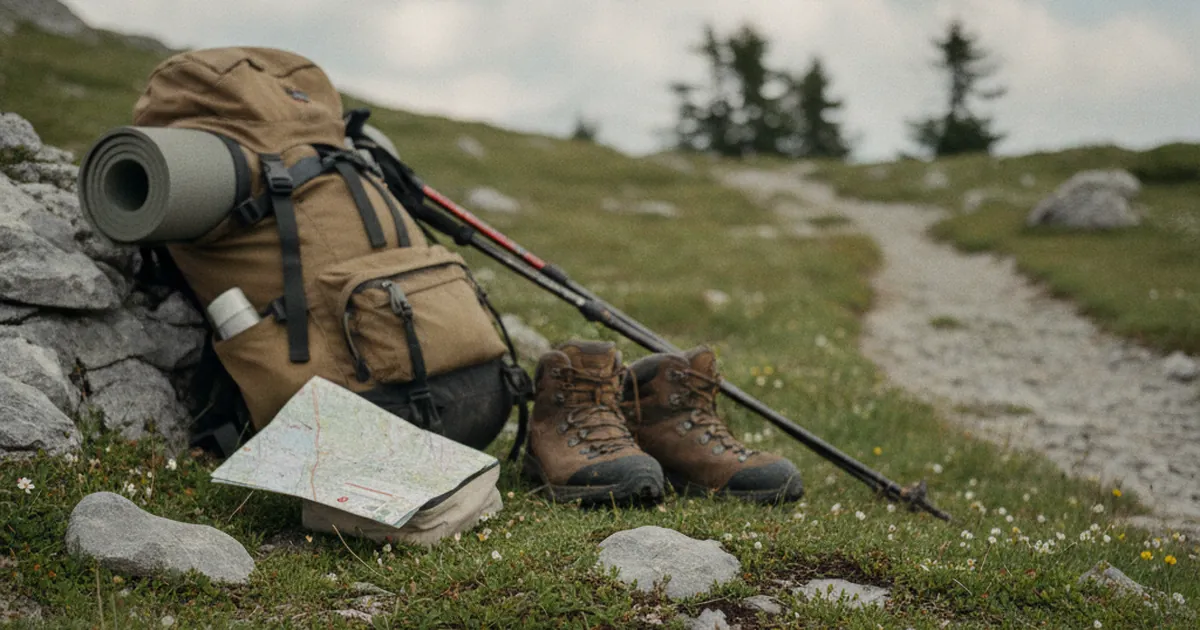
That said, pack enough food and water for the ascent. Phone coverage is often absent above a certain altitude: a paper or offline IGN map is the most reliable navigation tool. Power outlets for charging phones and headlamps are sometimes available, but never guaranteed.
Guarded refuges in Haute-Savoie are far more than a bed for the night. They are a chance to meet fellow walkers, share a long communal table, and experience the mountains in a way that is hard to replicate anywhere else. With a summer season spanning just two to three months, demand is high. Book early, check opening dates directly with each refuge, and make the most of this uniquely alpine experience.