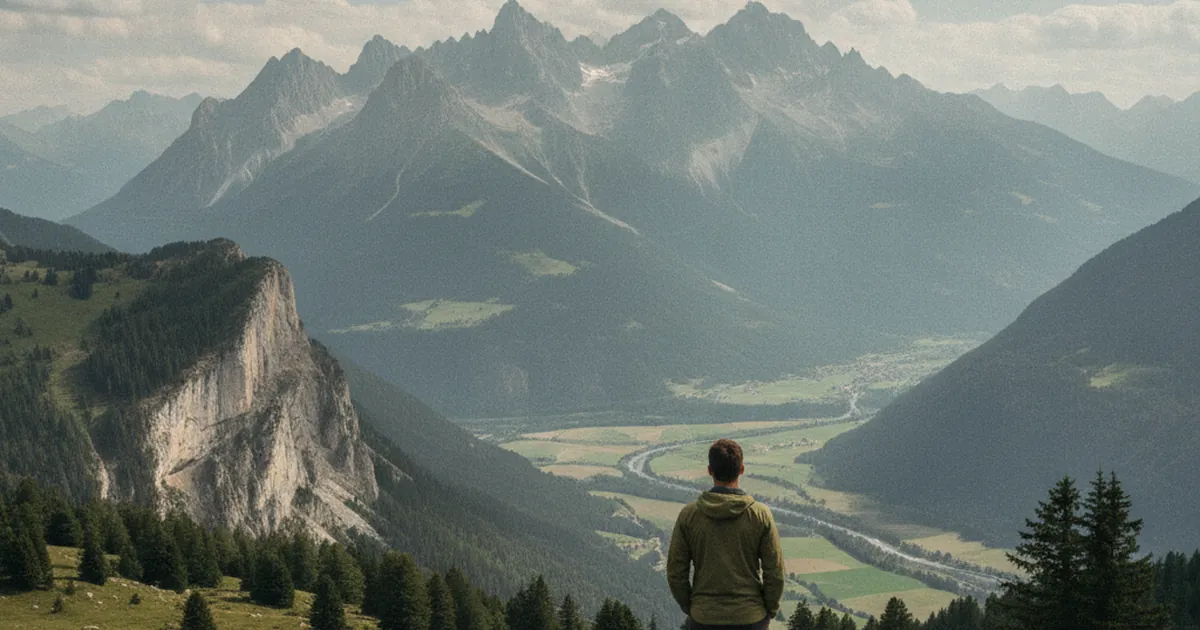
The Dents du Midi rise on Swiss soil, but they belong to the visual world of every hiker in Haute-Savoie. From the alpine pastures of the Chablais, from the ridges above Morzine, or from the shores of Lake Montriond, this arc of seven jagged summits dominates the northeastern horizon with quiet constancy. Hiking the trails of Haute-Savoie often means walking with them always in sight, season after season.
A Swiss Massif, a Savoyard Horizon
The Dents du Midi form a ridge of summits located entirely within the Swiss canton of Valais. The highest peak, the Haute Cime, rises above 3,200 metres. But it's from the French side that they're most often admired: their seven tightly packed summits create one of the most recognisable silhouettes in the Prealps. The name comes from their exposure to the southern sun (midi) as seen from Lake Geneva, though from the Savoyard side they appear to the north or northeast depending on where you're standing.
These peaks have always been part of the visual geography of the Chablais savoyard. Locals grew up with them as a backdrop, and mountain farmers read them as a natural barometer: when the crests vanish into cloud, bad weather is on its way; when they stand out sharply in the morning light, the day promises to be fine. For hikers arriving in the Morzine or Montriond area for the first time, catching sight of them at a col is often one of the standout moments of the day.
The Chablais: a Natural Window onto the Massif
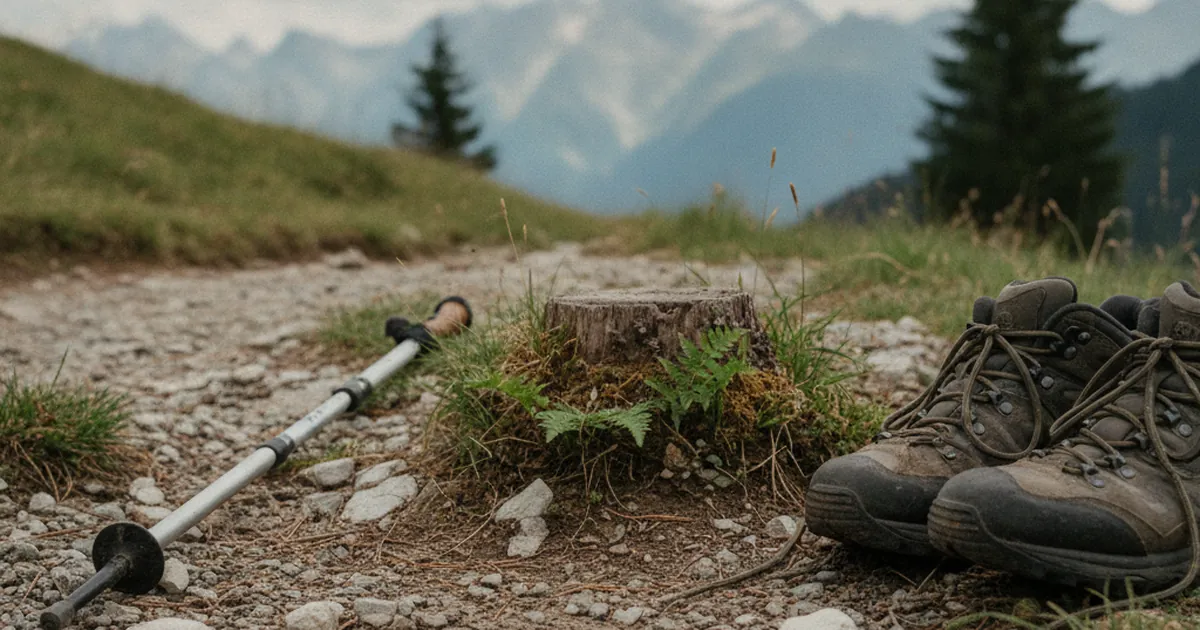
The Chablais offers the best conditions for viewing the Dents du Midi from Haute-Savoie. The orientation of the valleys and the local topography create genuine visual corridors that frame the Swiss massif perfectly. Around Morzine, heading up toward Avoriaz or the surrounding ridges, you'll often see the Dents du Midi revealed progressively: first partially blocked by intermediate terrain, then fully visible once you've gained enough altitude. There's a real sense of earning the view with every step.
At Montriond, the setting is more intimate. The lake and its steep cliffs channel the eye toward nearby summits, with the Dents du Midi appearing as a backdrop above the forest that closes the upper valley. It's a less dramatic angle but highly photogenic, particularly in late afternoon when warm light catches the Swiss ridges in golden hues. The reflections on the lake complete the picture.
Further west, from the plateau of Les Gets, clear days open up long views toward the Dents du Midi over the rolling alpine meadows. The village's elevated position and open pastures make it easy to take in these eastern prospects. It's a less obvious spot for this particular viewpoint, but worth knowing about.
Best Hikes for Spotting Them
Certain routes in the area are particularly well positioned to keep the Dents du Midi in view throughout the day.
- The Pointe de Chavanette from Avoriaz: this route leads all the way to the Swiss border, putting the Dents du Midi right in front of you. The summit view is one of the most complete in the area, taking in both the Valais Alps and the Mont Blanc massif in a single sweep.
- The tour of Lake Montriond from Ardent: an accessible family hike through forest and along the lake shore, with regular openings onto the Dents du Midi at the valley head. A sound choice for exploring the area without a serious commitment.
- The crests of the Hauts-Forts and Pointe de Ressachaux above Morzine: these intermediate summits deliver 360-degree panoramas, with the Dents du Midi to the east and the Mont Blanc massif to the west. Two of the finest viewpoints in the Savoyard Chablais, reachable from Morzine with an early start.
Light, Seasons, and Ideal Conditions
Morning light is best for seeing the Dents du Midi. As the sun rises in the east, it hits the Swiss ridges from the side and brings out every detail of relief with striking clarity. In summer, after a cool and clear night, the air is often at its most transparent. By afternoon, especially in summer, thermal haze can blur distant views considerably.
In autumn, following a cold front, visibility is often exceptional. The sky clears, first snows appear on the Valais ridges, and the Dents du Midi take on an almost unreal sharpness in the low-angled light of the season. Hikers who visit the Chablais in September and October frequently cite it as the best period for long views across the Alps. In winter, on snowshoe outings, the Dents du Midi can merge with an overcast horizon, but on a clear day they preside over an entirely snow-covered landscape.
A Landmark, a Companion on the Trail
There's something particular about walking toward summits you can't reach from your own valley. The Dents du Midi play that role in the Savoyard Chablais: ever-present, instantly recognisable, but on the other side of a border. They add depth to every panorama and an extra dimension to a day out in this corner of Haute-Savoie.
Seasoned hikers in the area will tell you: arriving at a col and finding them on the horizon again feels like running into old friends. A familiarity built walk by walk, season by season, along the trails of the Chablais.