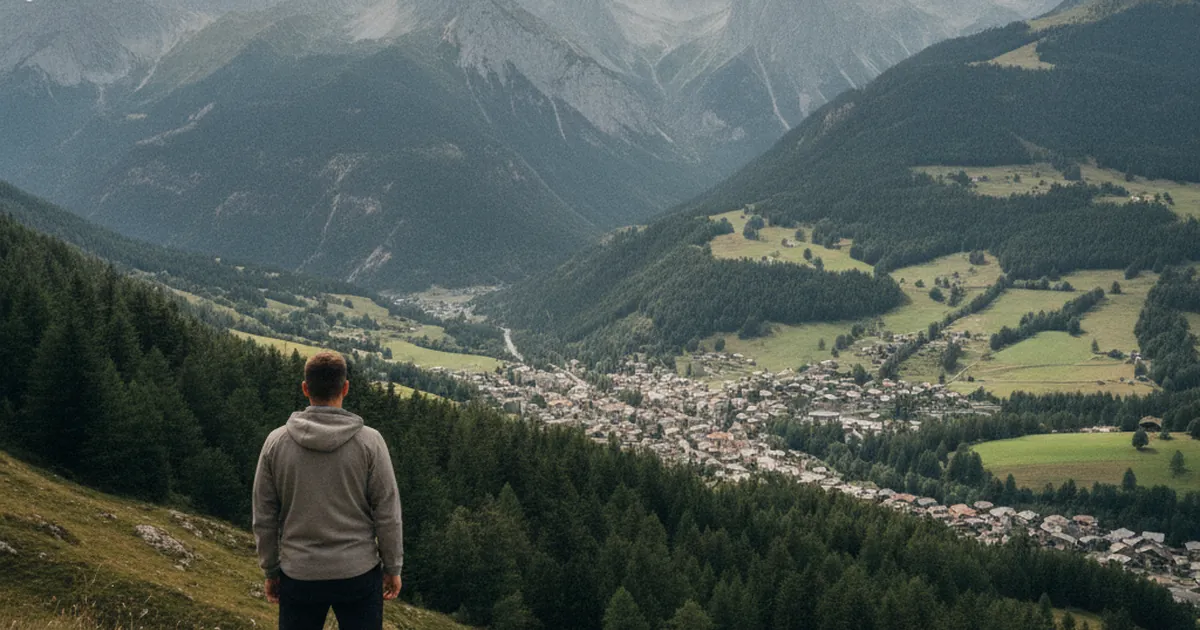
Samoëns is well known today as a base for winter sports and summer hikes in the Giffre valley, but the village carries a much older identity that isn't immediately visible on a casual stroll. For centuries, hundreds of men left this place every year, tools in hand, to cut stone on the great building sites of France and beyond. They were known as the frahans. Their story is that of a village that shaped far more than its own walls.
Who were the frahans?
The word "frahan" comes from the Latin fratres, meaning "brothers". It referred to the members of a stone cutters' brotherhood founded in Samoëns, placed under the patronage of Saint Thomas of Canterbury. This guild brought together masons, sculptors, quarrymen, and architects, all from the Haut-Giffre area and surrounding villages.
These craftsmen didn't work only in Samoëns. Their speciality was mobility. Every autumn, once the harvests were in, they left the village to join their worksites. Every spring, some returned. Some were away for a few months, others for years, and some never came back at all.
A network that reached across France and beyond
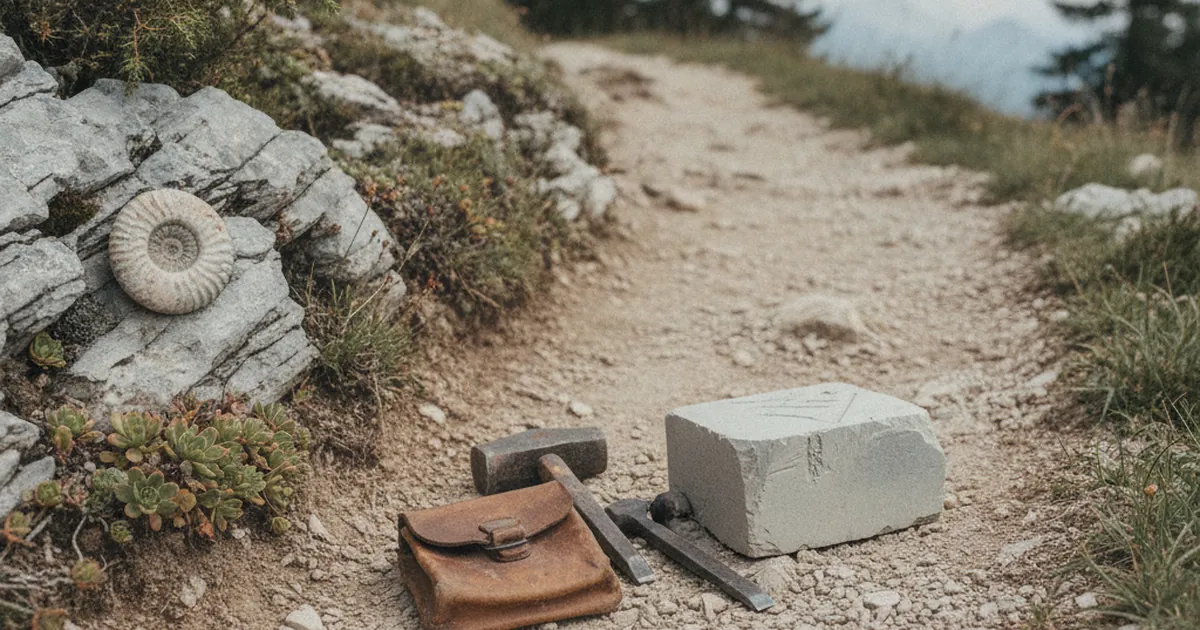
The frahans left their mark on building sites spread across the country and well beyond its borders. Their work can be found in fountains, bridges, chapels, townhouse facades, and civic monuments. Over generations they built a network of contacts and a reputation that let them find work far from home, century after century.
This pattern of seasonal migration was common across the Alps. Mountain land offered little for farming, and skilled men went out to sell their expertise. But the frahans stood apart through their organisation as a structured brotherhood, with rules, rituals, a patron saint, and bonds of solidarity between members. It was, in many ways, an early form of trade union: one that protected its members and guaranteed the quality of their work.
Their mark on Samoëns itself
Ironically, it may be back home that the frahans left their most lasting evidence. The centre of Samoëns is marked by stone architecture of a quality remarkable for a mountain village. La Gloriette, the monumental fountain at the heart of the village, is the most often cited example. Carved from local limestone, it reflects the craft of artisans who learned their trade here before exporting it across the continent.
The central square, with its arcades and cut-stone houses, shows a mastery of construction that many towns of the same era couldn't match. These buildings weren't raised with outside resources or imported expertise. They were built by local people, from local stone, drawing on skills accumulated across generations.
The Glarier plateau above the village was one of the main sources for this limestone. The striking karst landscape there is accessible on foot, and it makes a rewarding walk for anyone interested in geology as much as local history.
Marie-Louise Cognacq-Jay and a living legacy
The connection between Samoëns and a certain art of building has endured through the centuries. One of the most well-known figures to come from the village is Marie-Louise Cognacq-Jay, who co-founded the Parisian department store La Samaritaine with her husband. Born in Samoëns, she wanted to give something back to her hometown. She funded the creation of the Jaÿsinia alpine botanical garden, still open and free to visit today, offering a rare botanical walk right in the centre of the village.
A woman who had built a fortune in Parisian commerce never cut her Savoyard roots. In that sense, her story echoes the fate of the frahans: leaving to build for others, while keeping a deep bond with this village deep in the Haut-Giffre.
Walks to extend your visit
After a morning exploring the village, the trails around Samoëns are well worth your time. The ascent to the Criou starts from the village and opens up views over the whole valley, the alpine pastures, and the ridges all around. It's a demanding walk but the kind that rewards the effort, climbing through the same limestone terrain the frahans once quarried.
For something less steep, the valley loop along the Giffre follows the river and passes through the surrounding hamlets, some of which still have stone houses typical of the local building style.
Both walks fit naturally into the broader offer of hiking in Haute-Savoie, where culture and landscape meet more often than people expect.
The frahans left Samoëns to build Europe in stone. In doing so, they left behind a village that still carries their imprint in every house, fountain, and hand-cut alleyway. To visit Samoëns is to walk in the footsteps of anonymous builders who shaped far more than their own corner of the mountains.