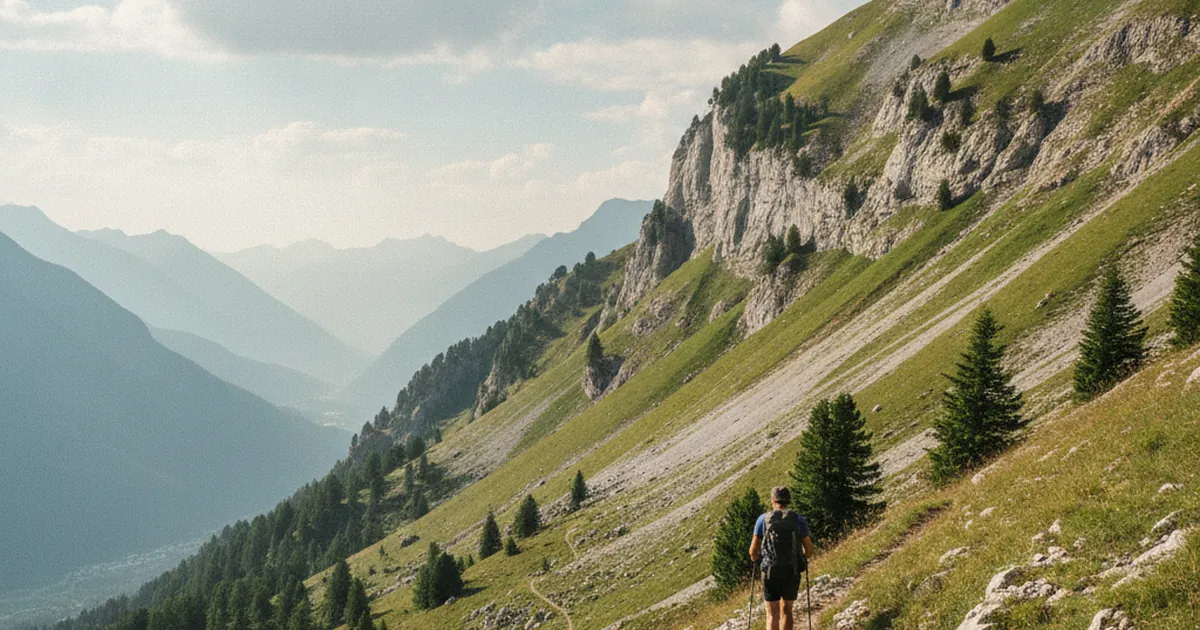
July and August sometimes bring heatwaves that make valley hiking uncomfortable, even risky. But hiking in Haute-Savoie remains perfectly doable even when temperatures push past 35°C down by the lake. You just need to adjust two variables: when you leave and how high you go. It's not a question of willpower — it's a question of planning.
Leave early. Really early.
During a heatwave, serious heat typically sets in by 10 or 11 in the morning. The sun hits south-facing slopes head-on, rocks absorb and radiate heat, and the absence of wind makes everything worse. The goal is to complete your climb — or at least the most exposed section — before that window opens.
In practice, that means leaving between 5:30 and 6:30 am. In July, the sun is already up by 5:30, it's light well before that, and reaching a col or summit can easily take two hours or more. If you're planning to set off at 8am, you'll hit the worst heat right in the middle of the hardest part of the hike.
Descending in the early afternoon remains bearable if the route passes through forest cover or if altitude provides a breeze. But on an exposed south-facing slope, a 2pm descent during a heatwave is exhausting and, in some cases, genuinely dangerous.
Go higher to stay cooler
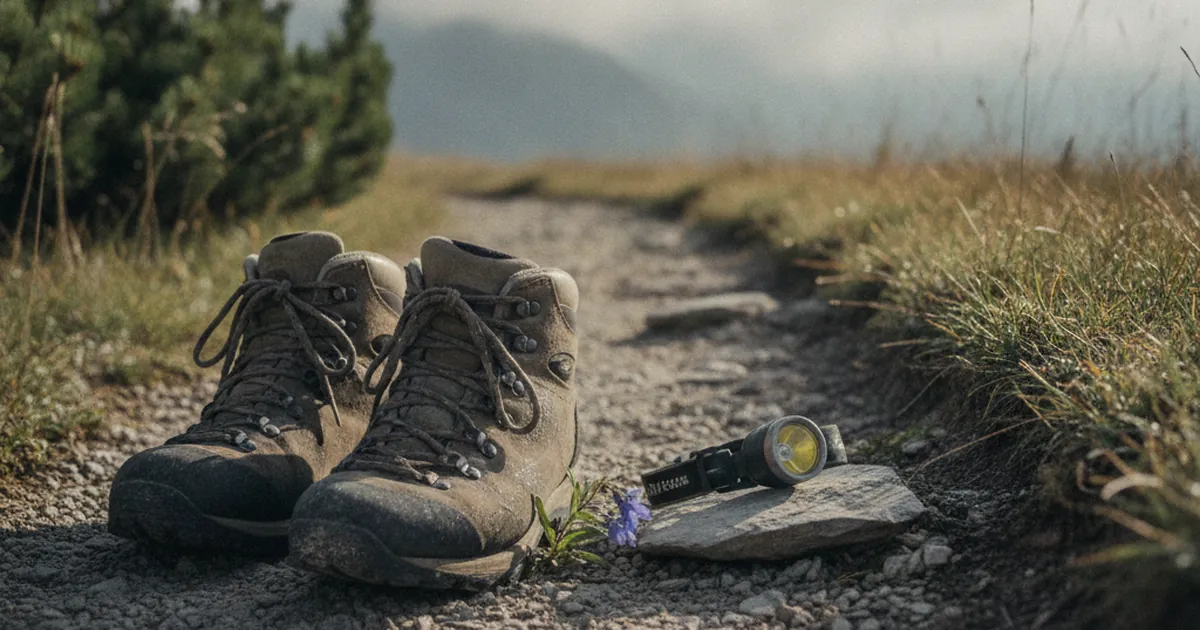
The basic rule: roughly 0.6°C cooler for every 100 metres of elevation gain. On a heatwave day with 38°C in the valley, altitude alone brings around ten degrees of relief at 2,000 metres. Add a near-constant breeze at that height, and the difference in how it feels compared to the valley floor is radical.
The Mont Blanc area offers itineraries that gain altitude quickly, reaching elevations where heat becomes a secondary concern. It's no coincidence that alpine pastures stay green and snowfields persist well into summer up there. In the Annecy and Bauges area, north-facing slopes above the lake also hold onto their cool air well into the morning.
That said, going high doesn't cancel the risk if you leave too late. The combination of a late start and a sustained climb in direct sun remains punishing even at 1,800 metres.
Which routes work in a heatwave
A few criteria for picking the right itinerary on a hot day:
- A north or north-east facing ascent, where shade lasts longer into the morning.
- Dense forest cover for the first few kilometres, which slows the rise in temperature.
- A reliable water source along the way: a stream, a river or a mountain lake.
- A summit or pass above 1,800 metres to benefit from cooler air.
The Lac de la Vogealle via le Crêt ticks several of these boxes: the first half of the route runs through dense forest, the lake provides a refreshing break at altitude, and the exposure limits the effects of the heat even in the middle of the day. The tour du lac de Montriond from Ardent follows a partly shaded path throughout, with the lake's water close at hand the whole way. Two different areas, two distinct atmospheres, the same logic of staying cool.
Hydration: more than you think
In normal conditions, about half a litre per hour of effort is the standard recommendation. In a heatwave, with extra sweating, that figure easily rises to 0.7 or 0.8 litres per hour. For a five-hour outing, that's three and a half to four litres. Most people set out with two litres and wish they had brought more.
If the route follows streams with clean water, a filter bottle or purification tablets let you top up along the way. But don't count on it if you don't know the source. In dense forest, water is usually present. On a dry limestone plateau or a scree field, the trickle marked on the map may well have dried up by mid-July.
Food matters too: salts lost through sweat need to be replenished. Keep something salty on hand alongside your dried fruit and energy bars. Not just fast sugars.
Know when to turn back
Heat exhaustion creeps up gradually. Early signs are often subtle: headache, mild nausea, fatigue that feels out of proportion to the effort. Many hikers make the mistake of pushing on, thinking it will pass.
If you notice two or three of these signals at the same time, turn around without debate. Find shade immediately, wet the back of your neck and your wrists, and drink small sips regularly. The mountain will still be there: an abandoned hike can always be done another day. Severe heat stroke in an isolated area is a very different story.
Tell someone before you leave. In a heatwave as in any challenging conditions, a contact who knows where you are and when you're due back is your first line of safety.
A heatwave doesn't ban you from the mountains. It pushes you to be better organised, more attentive to your body, and more honest about your limits on a given day. That's exactly the mindset it helps build: the kind that gets you home tired and happy, not airlifted off the mountain.